 30 Days FREE Trial on Every Registration
  Contact Us
 info@menurepo.com


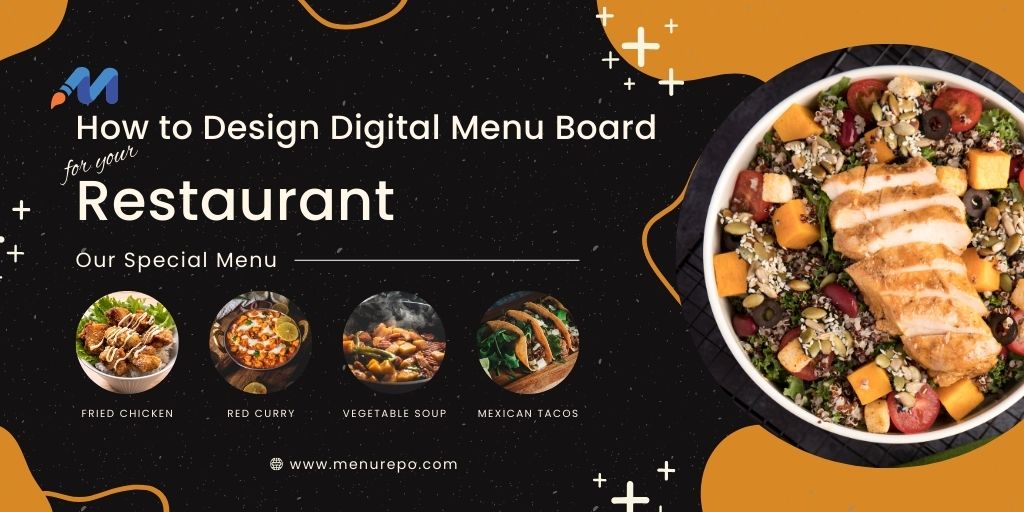
Summary: This guide explained how restaurant menu design affects sales and shared proven strategies for layout, pricing, psychology, and visuals. A well-designed menu acts as a powerful sales tool for both traditional and digital restaurants.
Designing a restaurant menu is not just about listing food items and prices. A well-designed menu directly influences customer decisions, ordering behaviour, and overall revenue. Understanding how to design a restaurant menu that increases sales can help restaurant owners highlight profitable items, improve customer experience, and drive higher average order value. This guide explains proven menu design strategies that work for both printed and digital menus.
Why Menu Design Directly Impacts Restaurant Sales
A restaurant menu acts as a silent salesperson. Customers typically scan menus quickly and subconsciously focus on certain areas, colors, and visual cues. A strategic menu design guides customers toward high-margin items while keeping the menu easy to understand.
Effective menu design helps restaurants:
- Increase average ticket size
- Promote best-selling and high-margin dishes
- Reduce customer decision time
- Improve brand perception
Use Menu Design Psychology to Influence Choices
Menu psychology plays a crucial role in increasing sales.
Key principles include:
- Customers read menus in a Z or F pattern
- Items placed at visual hotspots sell more
- Fewer choices reduce decision fatigue
- Visual cues influence perceived value
By applying these principles, restaurants can subtly guide customers toward profitable items.
Optimize Menu Layout for Better Conversions
A clean and well-structured layout improves readability and sales.
Best practices:
- Group items into clear categories (Starters, Mains, Desserts)
- Avoid clutter and overcrowding
- Use white space to improve focus
- Highlight signature items using boxes or icons
Digital menus allow even more flexibility by rotating layouts and promoting specials.
Smart Pricing Strategies That Increase Orders
Pricing presentation matters as much as the price itself.
Effective pricing techniques:
- Avoid currency symbols to reduce price sensitivity
- Use rounded numbers instead of decimals
- Place high-priced items near premium dishes
- Bundle items into combos or meal deals
These tactics make customers more comfortable with higher-value orders.
Use High-Quality Visuals in Food Menu Design
Photos and visuals significantly impact buying decisions.
Guidelines for visuals:
- Use professional food photography
- Highlight only key items (not every dish)
- Maintain consistent image style
- Avoid low-quality or misleading images
Digital menu boards and menu maker software make it easier to update visuals anytime.
Conclusion
Understanding how to design a restaurant menu that increases sales helps restaurants maximize profitability without increasing operational costs. By applying menu psychology, optimizing layout, using strategic pricing, and leveraging visuals, restaurants can significantly improve customer engagement and sales performance.
